Title: Why do people hate Iran
Post by: K-Dog on Mar 28, 2026, 11:20 PM
Post by: K-Dog on Mar 28, 2026, 11:20 PM
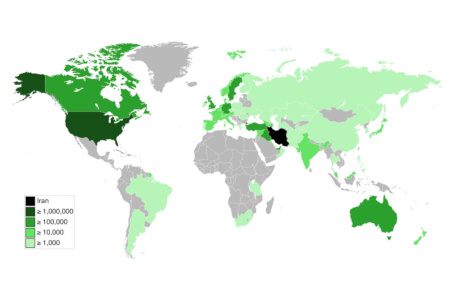
When Advocacy Backfires: How the Iranian Diaspora Helped Create a Monster in the World’s Eyes
For decades, Iranians living outside their country, collectively known as the Iranian diaspora. These Iranians moved to countries across the world, primarily after the revolution of 1979. Each of them had their own reasons for leaving Iran.
Title: Why do people hate Iran
Post by: K-Dog on Mar 29, 2026, 12:00 AM
Post by: K-Dog on Mar 29, 2026, 12:00 AM
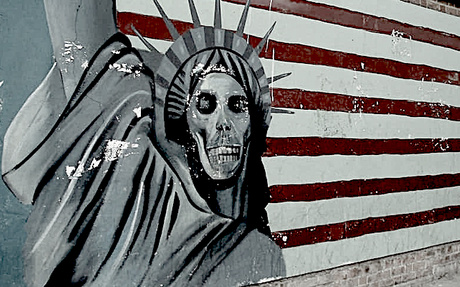
Iran, Third World People and U.S. Foreign Policy, Palestine Perspectives, 1979
A 1979 editorial from Palestine Perspectives argues that the Iranian Revolution was a direct response to decades of U.S. imperialism, specifically the CIA-MI6 coup in 1953 that overthrew a democracy to install the brutal, Western-backed dictatorship of the Shah.
This is a good read. Accurate and well written. American's at the time did not understand the context of the revolution. The Shah was portrayed in America the way the British Royal family was and Iran was a far away place. For most Americans the Iranian revolution was like a bolt of lightning in a blue sky. Knowledge of the Shah's excesses was not common knowledge.
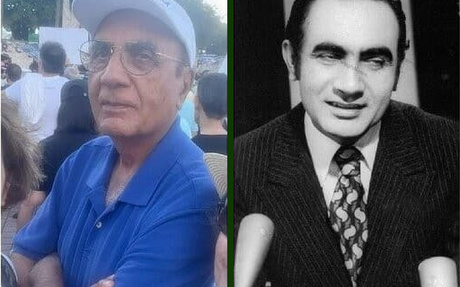
After years living quietly in Florida, Shah of Iran’s alleged ‘chief torturer’ must face accusations in court
Parviz Sabeti crafted a low-profile life for his family – but now he faces a $225m lawsuit over atrocities committed in prisons in Tehran and elsewhere.
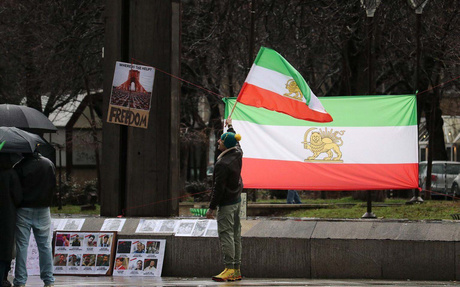
Why We Only Hear Diaspora Voice Who Want War
In coverage of the war against Iran, a familiar choreography is playing out again, one that the media have carefully refined to exploit the perceived credibility of diaspora groups in order to push war and empire. This phenomenon of selectively and specifically amplifying diaspora voices who will cheerlead for war is now a well-documented feature of the American media ecosystem.
Title: Why do people hate Iran
Post by: K-Dog on May 09, 2026, 06:33 AM
Post by: K-Dog on May 09, 2026, 06:33 AM
What goes around comes around.
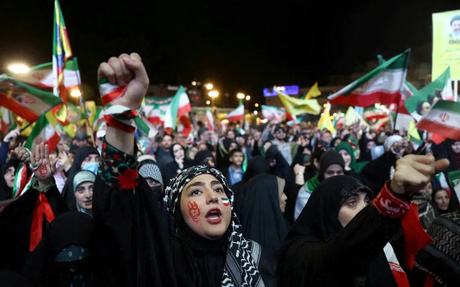 EDITION.CNN.COM 2026-05-09
‘Super Revolutionaries’: The radical Iranian hardliners bent on sabotaging a deal with the US
“They view resistance against the United States and Israel as an eternal fight,”
I have tried to find independent verification of this groups existence and have found none. If this is some of Trump's fake news what is the purpose?
A powerful leader is both loved and feared by their people. At this point love is impossible for Trump to get, and really Trump does not understand or feel the concept. But Trump does understand fear. Fear defines Trump after all, Trump is still afraid of his daddy, and the whole world now suffers for it.
In the mind of the powers that currently be. Making the Hoi polloi afraid of Iran is a good idea.
The plan is to cultivate fear any which way 'they' can.
‘Super Revolutionaries’: The radical Iranian hardliners bent on sabotaging a deal with the US
“They view resistance against the United States and Israel as an eternal fight,”
I have tried to find independent verification of this groups existence and have found none. If this is some of Trump's fake news what is the purpose?
A powerful leader is both loved and feared by their people. At this point love is impossible for Trump to get, and really Trump does not understand or feel the concept. But Trump does understand fear. Fear defines Trump after all, Trump is still afraid of his daddy, and the whole world now suffers for it.
In the mind of the powers that currently be. Making the Hoi polloi afraid of Iran is a good idea.
(https://i.gr-assets.com/images/S/compressed.photo.goodreads.com/authors/1603376807i/16201._UX200_CR0,29,200,200_.jpg)
Quote"it is much safer to be feared than loved because ...love is preserved by the link of obligation which, owing to the baseness of men, is broken at every opportunity for their advantage; but fear preserves you by a dread of punishment which never fails."
― Niccolo Machiavelli, The Prince
The plan is to cultivate fear any which way 'they' can.