


I was almost moved to cut a part out of this one and host it myself. It talks about 'DOOM SPENDING'
QuoteWhen people believe that saving diligently still won't lead to security, spending becomes a way to reclaim control in the present. Experiences, convenience, and small luxuries start to feel justified—not because they're affordable, but because tomorrow feels unreliable. Social media intensifies this loop. Endless streams of curated lifestyles, travel, luxury, and "soft life" narratives blur the line between aspiration and expectation. Credit cards quietly bridge the gap between income and desire. Small monthly payments feel harmless until they accumulate into long-term constraints.
Thankfully it is a loop I am not in. I blundered into the 'fluid' category that is described at the end of the video on my own.
Inflation for the things people actually need to buy has been growing at about 3.5% a year over the last decade. Conservative investments have essentially broken even over the same time period and banks pay diddley-squat in interest on CDs and savings accounts.
Was and is it the plan for the American people to pay for government bailouts this way over time by sacrificing quality of American life? You can bet your ass on it.
 ------------- Is what I say.
The following backs up some facts made in the videos.

Nov 06 October Challenger Report: 153,074 Job Cuts on Cost-Cutting & AI
JOB CUTS SURPASS 1 MILLION; HIGHEST OCTOBER TOTAL SINCE 2003
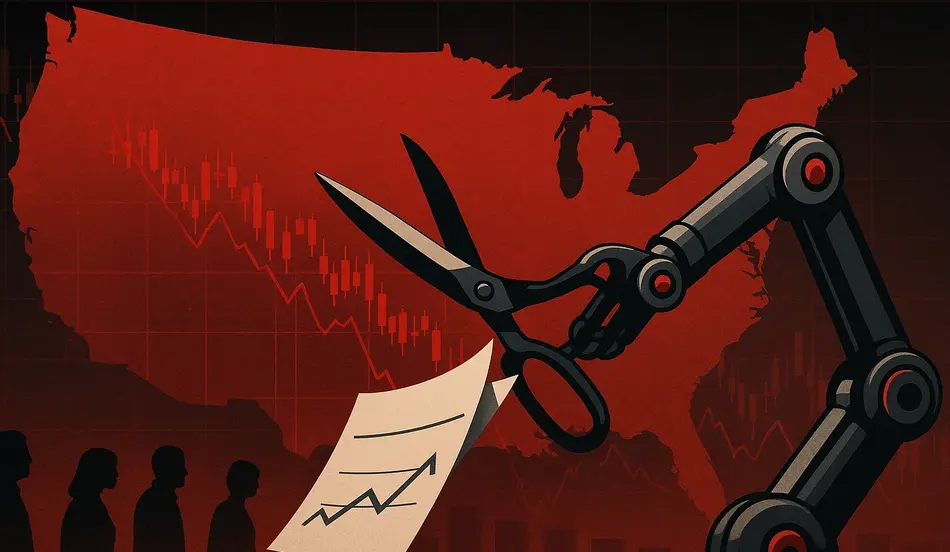
2025 US Jobs Report: 806,000 Layoffs, AI Cuts, and Market Panic
As of early August, 806,000 Americans have already lost their jobs this year.
QuoteThis video offers a scholarly breakdown of the growing U.S. housing crisis, examining why nearly half of American renters are now rent-burdened and living on the edge of eviction. Rather than framing this issue as a matter of personal failure, the analysis situates rent unaffordability within broader structural forces such as wage stagnation, the financialization of housing, weak labor protections, declining public housing investment, and policy choices that favor markets over people. Drawing from political economy and housing justice scholarship, the video explains how rising rents, corporate ownership of housing, and shrinking social safety nets have converged to produce the largest housing insecurity crisis in modern U.S. history
The crazy thing I was following both of these guys before Eugene found the Functional Melancholic.